The “Last Ceremony”
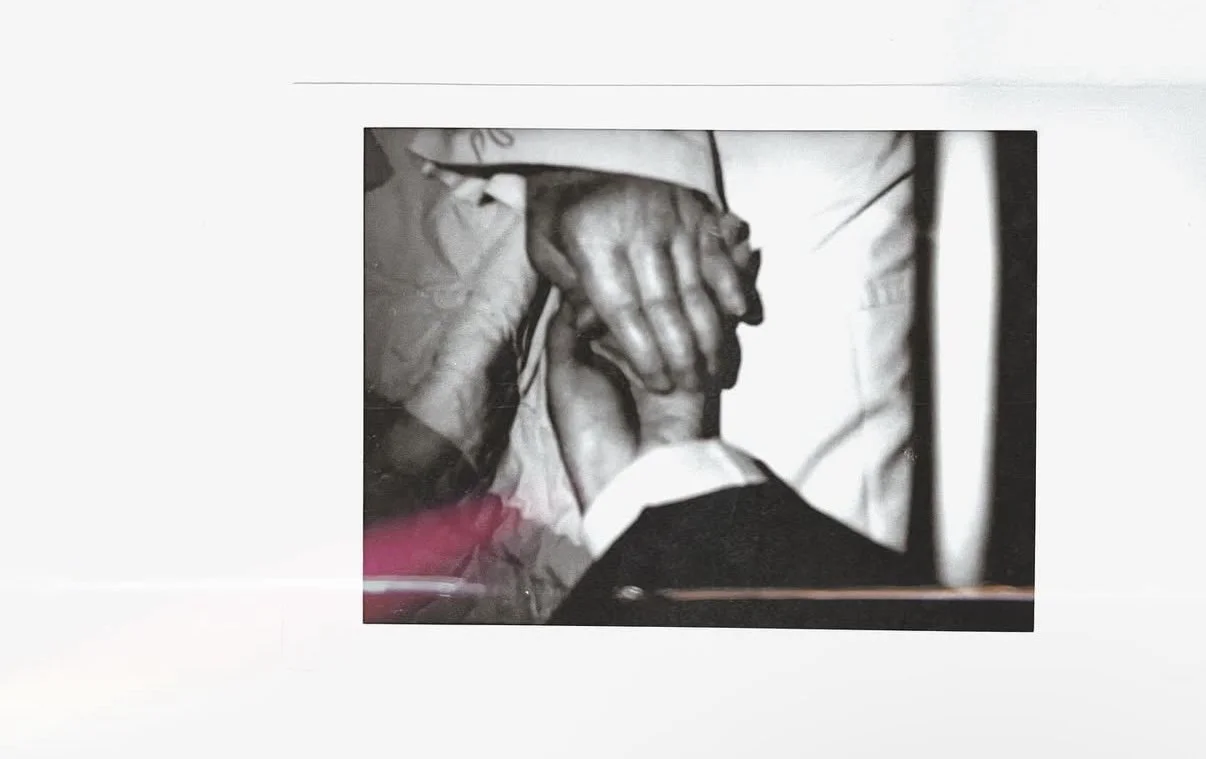
私の祖母はいま、感覚を失い、視ることも、聴くことも、食べることも、動くことも、思い出すこともできません。記憶は断片的となり、長男や長女の名前だけがかろうじて彼女の記憶の中に残っています。私は卒業制作のテーマを「The Last Ceremony」と名付け、祖母の記憶を留める手段を作品として表現しました。母であり、姉であり、そして祖母であった彼女が果たした役割と、一人の女性として生きた証を、家族が決して忘れないようにするためです。理想化された夢のような姿を描くこともできましたが、私が選んだのは、飾りのない“今”の姿──車椅子に座るそのままの姿です。私たちが彼女の経験の深さを完全に理解することは不可能ですが、それでもこの試みが、彼女にとって最後の時を支える「もうひとつの世界への橋」になると信じています。
この瞬間を、私は「痛みを伴う記憶でありながら、同時に痛みからの解放」として刻みたい。祖母のいまの存在が持つ切なくも複雑な真実を、この作品に託しました。
My Halmoni; grandmother is now deprived of her senses. She can no longer see, hear, eat, move, or remember. Her memories have been fragmented into mere fragments, and only a few names, such as those of her eldest son and daughter, remain within her grasp.
I've chosen to frame the concept of my thesis as "The Last Ceremony." Through this work, I aim to create a means of preserving her memory, ensuring that our family never forgets the role she played as a mother, sister, and grandmother, as well as the life of a woman who once thrived. While I would have preferred to depict a more idealized, dream-like version of halmoni within my thesis, my primary objective is to portray her as she truly is, confined to a wheelchair, with no embellishments.
It is impossible for us to fully comprehend or share in the depth of her experiences. Nonetheless, I hold a deep conviction that this endeavor may serve as a bridge to another world—a way to offer solace to her in what might be her final moments. I seek to remember this juncture as a "painful memory but painful freedom," encapsulating the poignant complexity of her current existence.